Why Are Nursing Care Plans Important?

Supporting residents in a care home demands a structured approach that ensures every individual receives care tailored to their unique needs. A nursing care plan is a vital tool used by nurses and other healthcare professionals to deliver consistent, person-centred care.
Nursing care plans are not just documents. They are living frameworks that help care teams deliver safe, effective and personalised support. They combine clinical expertise with empathy, guiding nursing staff through every stage of care delivery while ensuring that residents’ health and well-being are always the central focus. Understanding why nursing care plans are important can help families and residents feel reassured that every aspect of their care is managed thoughtfully and professionally.
What Is a Nursing Care Plan?
A nursing care plan is a detailed record that outlines how a resident’s care should be delivered. Based on a thorough assessment, it identifies specific health challenges and desired outcomes. This plan serves as the foundation for communication among the nursing team, healthcare providers and family members.
A nursing care plan serves multiple purposes. It defines goals for care, includes somebody's life story, any medical needs or allergies, documents nursing interventions and provides measurable ways to monitor progress. Each plan is unique and person-centred, reflecting the resident’s individual needs and lifestyle. By having a structured plan in place, all members of the care team have clear guidance on how to deliver the best possible care for each resident.
The Framework to Write a Nursing Care Plan
Nursing care plans are built using a structured framework known as the nursing process. This approach ensures that care decisions are based on thorough assessment, clinical reasoning and evidence-based practice. It is often described using five stages: assessment, diagnosis, planning, implementation and evaluation. Each stage supports high-quality care by encouraging critical thinking and continual improvement.
The assessment stage involves collecting subjective and objective data, such as how a resident feels, their medical history and measurable indicators like blood pressure or vital signs. From this, the nursing diagnosis identifies specific needs or potential risks that may occur. After understanding specific conditions and needs, the team collaborate with family members to build measurable goals and desired outcomes for them to work towards.
The implementation stage then puts the care plan into action, using tailored nursing interventions to address the identified needs. Finally, the evaluation stage measures whether the interventions have been successful and allows nurses to update or refine the plan accordingly. This process ensures nursing care remains responsive and flexible, adapting to each resident’s evolving health and preferences.

The Purpose of a Nursing Care Plan
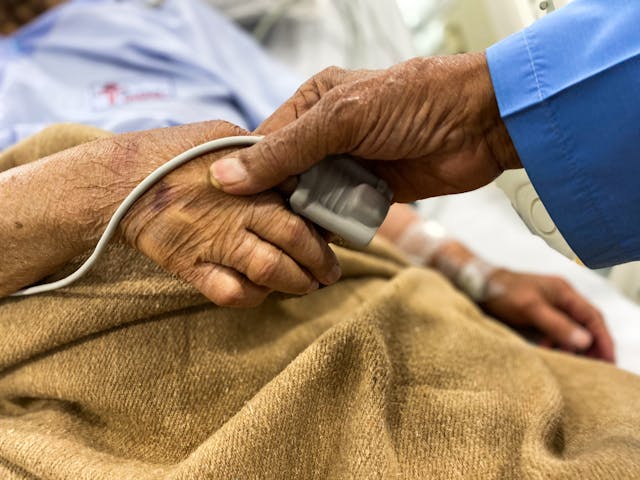
A nursing care plan acts as both a communication tool and an evidence-based guide for delivering care and emotional support. It ensures all carers and healthcare providers understand what care should be provided, how procedures need to be carried out and how to measure success.
The core purpose of a care plan is to coordinate support that promotes the resident’s independence and dignity. It brings structure to complex healthcare situations and helps nurses deliver care more proactively. For example, if a resident’s nursing diagnosis identifies high blood pressure or chronic pain, nursing interventions may focus on regular monitoring, medication management and lifestyle adjustments to improve comfort and safety.
By providing clarity and continuity, a care plan reduces the risk of confusion and ensures resident safety stays at the heart of everything. It also makes sure that progression in a person’s condition is detected early, allowing healthcare professionals to manage symptoms before complications arise.
Promoting Person Centred Care
Person-centred care sits at the heart of every nursing care plan. Rather than focusing solely on medical treatments, the plan also considers the resident’s emotional health and personal preferences. It recognises that each resident is an individual with unique experiences and backgrounds.
A person-centred approach involves discussing care decisions with residents and their families, encouraging them to take an active role in shaping the plan. This shared decision-making builds trust and ensures that care reflects what truly matters to the individual.
The Role of Nursing Diagnoses and Interventions
Nursing diagnoses are central to creating effective care plans. They identify the physical, psychological or social issues a resident may face and help nurses determine appropriate actions. Once identified, these are paired with specific steps nurses will take to address or prevent complications occurring.
Nursing interventions vary depending on the situation. They might include pain management, wound care, assisting with medication administration, or offering emotional support. Independent nursing interventions are actions that nurses can carry out without direct instruction, using their professional judgment and clinical knowledge. Collaborative interventions, on the other hand, involve working alongside doctors, physiotherapists or other professionals to deliver comprehensive nursing care.
Each intervention is designed to achieve a desired outcome, which is measurable and time-specific. This structure ensures that every action taken serves a purpose and contributes to better health outcomes for the resident.

Ensuring Better Health and Well-being
Nursing care plans play an essential role in maintaining physical and mental wellbeing. For residents with complex or long-term conditions, they provide stability and clarity by outlining consistent routines and support strategies. This continuity of care is especially beneficial for older adults or those coping with chronic pain, dementia, or mobility challenges.
Effective nursing care plans also support emotional and mental health. They ensure residents have opportunities for social engagement and meaningful activities, which are both key contributors to maintaining wellbeing. Knowing that care is delivered according to a plan personalised to their needs can give residents and families peace of mind while fostering a sense of trust and security.
Communication and Collaboration Across the Care Team
A well-written nursing care plan also enhances communication across the care team. It provides a shared reference point so that all individuals involved in a resident's care understand their needs and goals. This collaborative approach ensures care is consistent across shifts and supports smooth coordination between different healthcare teams.
The nursing team uses care plans to record observations and treatment responses. These notes are often stored in electronic health records to ensure they are accurate and easily accessible. Having electronic care plans ensures accountability and safety, as the care plan can't get lost or forgotten about.
Regular communication with family members is also part of this process. Families are kept informed of any updates and receive reassurance that their loved one’s needs are monitored closely and addressed thoughtfully.
Monitoring Progress and Evaluating Outcomes
Evaluation is the final stage of the nursing process and one of the most important. By regularly reviewing outcomes, the nursing team can determine whether the interventions are achieving the desired results. For example, measuring changes in vital signs or mobility levels helps nurses evaluate the effectiveness of treatments.
If progress toward expected outcomes is slower than anticipated, adjustments are made to meet the resident’s evolving needs. This ensures that care continues to be tailored to the individual and helps them not feel guilt or pressure if they haven't achieved certain goals.
Our Compassionate Nursing Care at Yarnley House
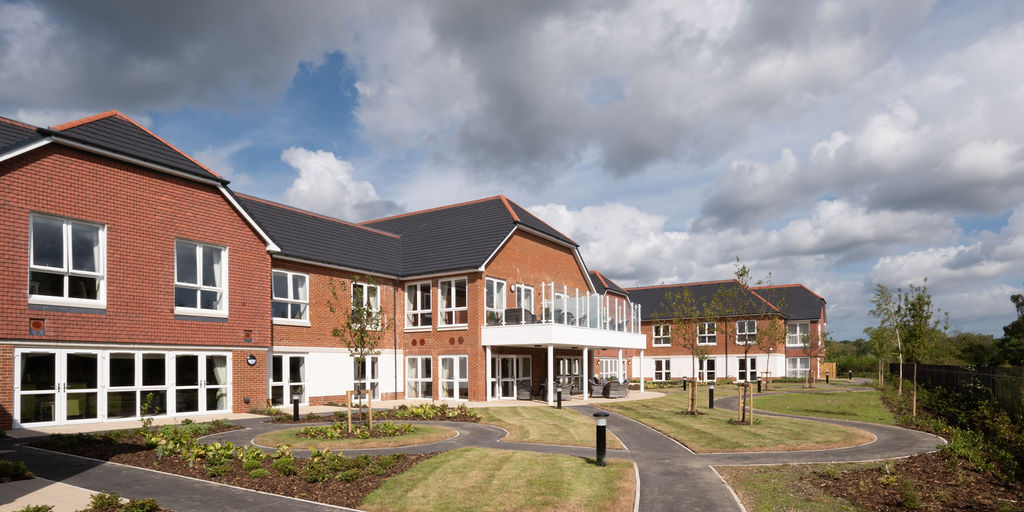
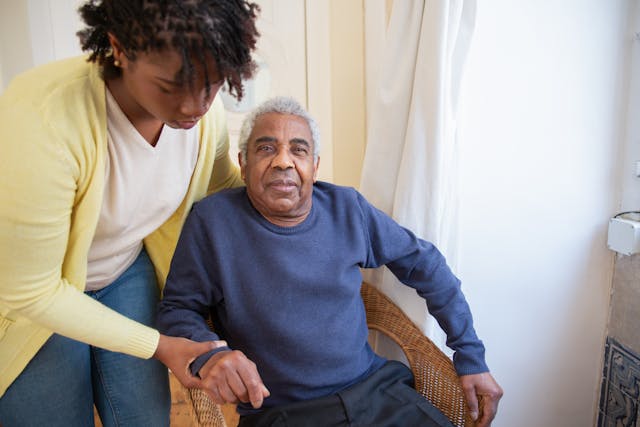
At Yarnley House Care Home in Ringwood, nursing care plans are at the heart of how we deliver exceptional care. Whether a resident receives nursing care, residential care, dementia care or respite care, they can enjoy peace of mind that their care will be tailored to their individual needs and preferences.
Using detailed assessments and evidence-based practice, we provide an approach that promotes safety and dignity. Every plan is regularly reviewed and updated to reflect changes in residents’ conditions, ensuring they always receive the right level of care and support.
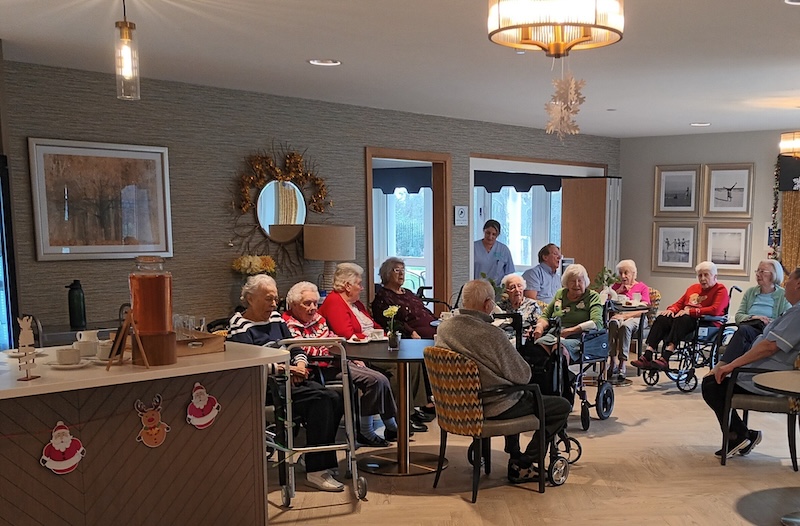
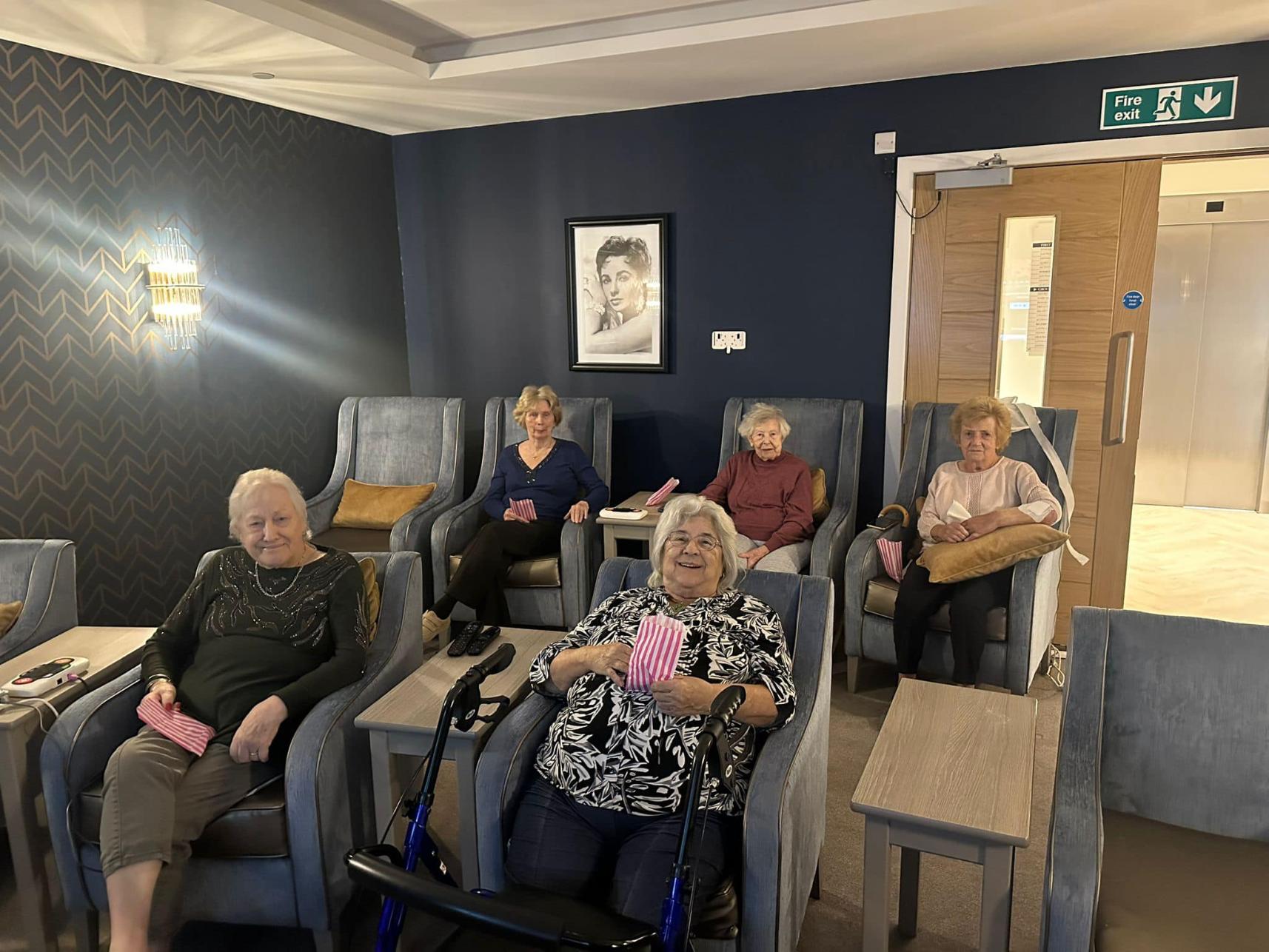
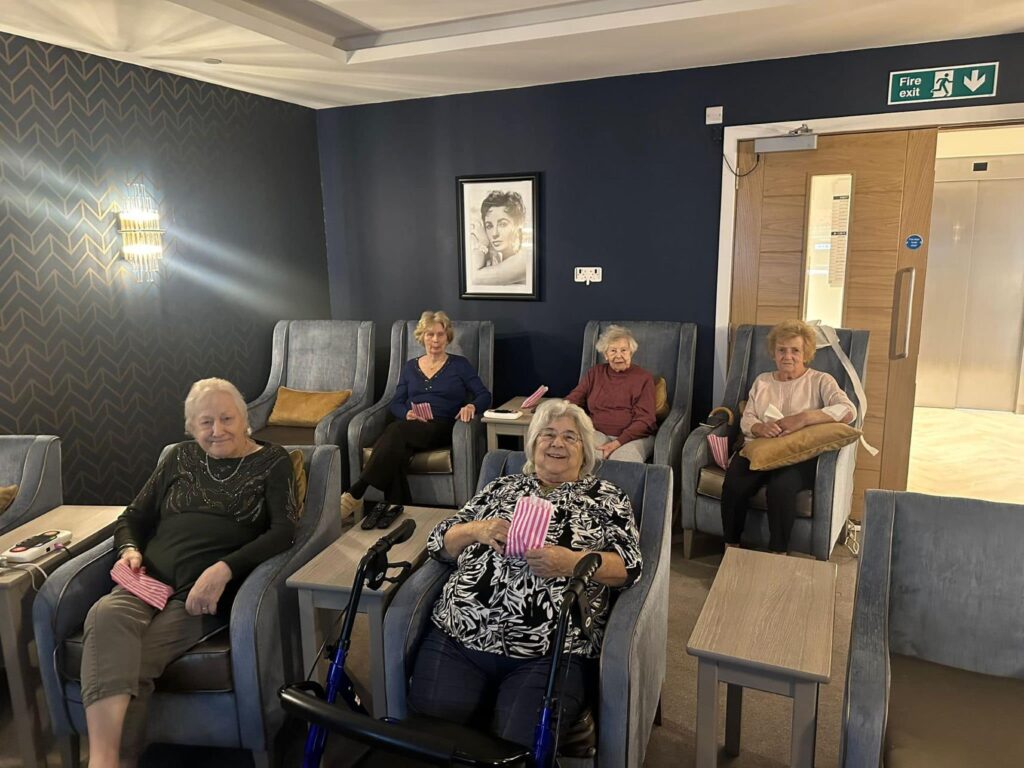
We understand the impact that social engagement has on overall quality of life, so we encourage them to get involved with activities or use our facilities at any time. Whether someone wants to enjoy some fresh air in our private gardens, receive a pamper in our hair salon & treatment room, watch their favourite film in our cinema or relax in our sensory room, there is something for everybody. We want people to live their lives exactly how they wish, while we take care of the rest.
To learn more about our personalised care plans or any of our comprehensive care services, get in touch. We would love to welcome you for a tour and show you what makes Yarnley House so special.