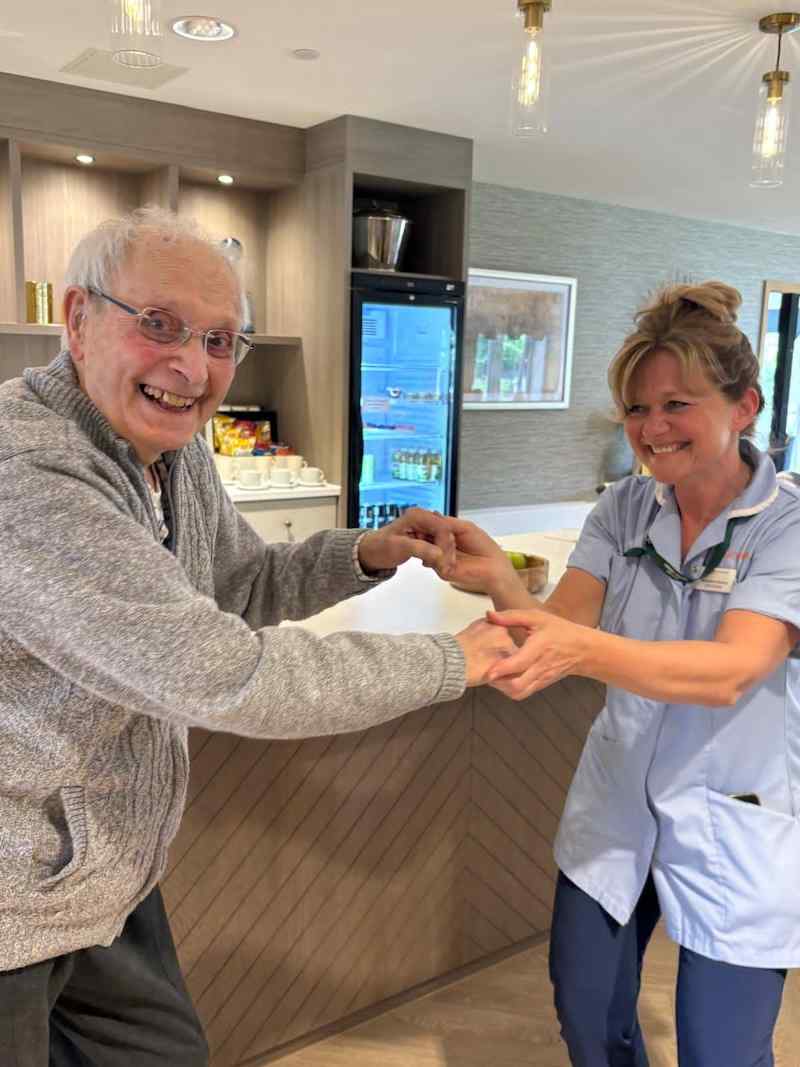

Evaluating care options for end-of-life is not an easy or straightforward time. It is important to know what support is available for both the individual and their loved ones during what can be a difficult time. Palliative care offers comfort and support for individuals living with a life-limiting or terminal condition. The main objective is to support each resident's family and carers while also assisting them in achieving the highest quality of life. This type of support can involve assistance with everyday activities, emotional well-being, and future care preferences.
Knowing what palliative care entails will help families considering a care home in Ringwood feel more at ease.
Understanding the Meaning of Palliative Care
Palliative care is assistance from healthcare professionals for an individual with a life-limiting condition. It is often confused with end-of-life care, which is provided throughout the last days, weeks or months of somebody's life. Palliative care can begin at any point following diagnosis with a terminal illness and can last for years. It can also be provided in conjunction with other treatments.
Palliative care supports all aspects of an individual, including their physical, emotional, social and spiritual needs. The support provided is different for each resident and focuses on their needs, routines and daily preferences.
When Does Palliative Care Begin?
It is important to understand the level of support that an individual needs when deciding on care options. Palliative care can be introduced when an individual is diagnosed with a life-limiting or terminal condition. It may also be introduced upon diagnosis, as symptoms become more challenging to control or when greater practical and emotional care would be beneficial. While some individuals may require more extensive support in their later moments of life, others may receive palliative care for years.
Early discussions can assist residents and their loved ones when contemplating future care and fully understanding the available treatment alternatives. Also, collaborating closely with residents and their loved ones can help the team ensure their care fully encompasses their needs and personality from the day they move in.
Some care homes offer a continuum of care, meaning they can support residents throughout their entire care journey. If a resident moves in to receive residential or dementia care, but their needs progress or they receive a new diagnosis, they can transition to palliative care without needing to transition into a new home. This can provide great peace of mind to both residents and their loved ones, as it ensures the home can become their home for life and support them regardless of how their needs progress.
Managing Physical Symptoms
Assistance with physical symptoms is one of the main types of support provided for individuals receiving palliative care. The care team may collaborate with physicians, nurses, pharmacists, therapists, and other healthcare experts to understand a resident's condition and determine appropriate measures to provide relief.
Pain management can be a large part of this support, although palliative care is not limited to pain relief. On top of that, residents may require assistance with nausea, fatigue, difficulty sleeping, breathing difficulties, or discomfort brought on by limited mobility. When a resident's symptoms change, care plans can be revised to enable nursing staff to respond to their requirements in a timely and considerate manner to maintain a high-quality standard of life.
In a Ringwood care home, this support is provided as part of daily care. By taking these steps, older adults can maintain their respect and sense of control while feeling more at ease.
Emotional and Social Support
A life-limiting condition can impact a resident's emotions and relationships with others. Therefore, an important aspect of palliative care is providing emotional support for residents, giving them the chance to express any emotions, with a trusted individual who can provide reassurance and companionship.
Offering reassurance through calm communication and familiar routines is crucial to providing exceptional care. Visits from family and friends, shared meals, music, gentle activities, or time in communal spaces can all be tailored around a resident's abilities to make sure that they have the same social opportunities as other residents. The goal of providing social support is not to keep someone busy, but to help them continue enjoying moments that feel personal and worthwhile.
Holistic and Person-Centred Care
Adopting a holistic approach means looking at the individual as a whole rather than just their diagnosis. This enables healthcare professionals to properly understand residents' priorities, what matters most to them, and what makes them comfortable, ensuring that their care promotes a fulfilling everyday life.
A personalised care plan can track an individual's preferences and make sure that everyone involved in their care is aware of their wishes. Communication, medication, personal hygiene, food and drink, and visitors can all be included.
Each resident is encouraged to enjoy a rich and meaningful life each day by a skilled care team who ensure it is filled with the things residents love most, whether it is reminiscing on their favourite pastimes or spending time with loved ones.


Planning Future Care
As a resident's condition progresses, good palliative care involves discussing their desires. This could include talking about their favourite routines, significant relationships, and spiritual needs. These discussions should be handled delicately and raised as conditions change.
It is not necessary to assume that every decision can be anticipated to plan ahead. Instead, it gives families and care teams a helpful place to start. Besides this, it can avoid uncertainty during what can be a stressful time, especially if the resident finds it difficult to express their views.
Palliative Care in a Care Home Setting
For individuals who require continuous assistance, a care home that offers palliative care can provide a serene and comfortable environment. A resident's habits, personalities, communication styles and symptoms of discomfort will be shared with the relevant team, which ensures care feels more intimate and comforting around the clock.
Residents can receive support from nursing staff and other healthcare professionals while remaining part of the care home community, with support in activities and other social opportunities. Family members are encouraged to spend quality time with residents, and their room can be personalised to suit their comfort. Small touches like well-known music or cherished photos and other belongings help provide a unique feel to a resident's personal space.
Palliative care can also be given in collaboration with the resident's GP as well as hospices and community services. When more specialised community palliative care services are required, residents in a Ringwood care home can receive additional assistance.
Compassionate Palliative Care at Yarnley House
Our care services include residential, respite, dementia, nursing, and palliative care at Yarnley House Care Home in a friendly and encouraging setting. Our Ringwood care home offers palliative care in an environment where individuals are supported with dignity and comfort.
Our dedicated team understands that every resident’s experience is different. Our care is shaped around personal wishes and the routines that bring reassurance as needs change. By combining professional support with a compassionate approach, we ensure residents and their loved ones feel truly supported throughout their care journey.
If you are considering palliative care in Ringwood, contact us today or arrange a visit to learn more and experience how we can provide the highest quality of care for you or your loved one. Our team would be happy to discuss your circumstances and explain the support available.